
Automatic driving lessons bolton-Changing a Tyre safely
Automatic driving lessons bolton- Changing a tyre
Have you seen this done before?
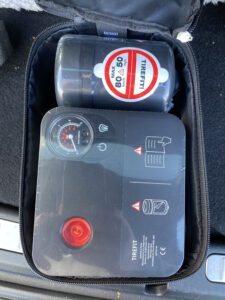
These days there are a few options when it comes to changing tyres, some cars have full size wheels in the boot, some have space saving wheels (just narrow), then you have the inflation kits, then you also have run flat tyres.
How will I know if the tyre is flat
The first feeling you will get if it is a slow deflation is that the steering will start to feel heavy and will pull the car to one side, if this happens stop in a safe place, put your hazards on and be careful exiting the car.
If you have a blow out, then it will be a sudden deflation of the tyre and the car will instantly pull to the side, this is why it is always safer to keep both hands on the steering wheel.
A blow out is caused by something weakening the tyre, for instance a deep cut, over inflation of the tyre and then it getting to hot (don’t forget air expands as it warms up).
It is your legal responsibility to check your tyres on a regular basis, at least once a week or before any long journeys, or if you have hit a deep pot hole for example,
Question, What is the minimum legal limit?
Changing a tyre
So the tyre is flat, you know the car has a spare (full-size or space saver), you have pulled over in a safe place, make sure the car is secure, if you have roadside assistance you could call them to fix it for you!.
If not or you don’t want to wait then you need to check your spare, is it inflated? what about the jack or spanner?
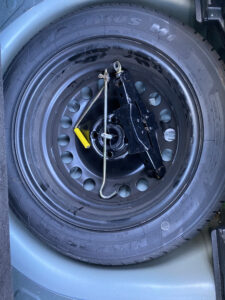
So you would find the jacking up place on your car, if you’re not sure then look at you manufactures guide or search google for the answer, just make sure its your car and correct year.
Once you know this, offer the jack up to the car, but don’t start turning it until you have loosened the bolts on the wheel, they may be tight, some people stand on the spanner to get it moving, just loosen don’t take them off yet.
Then jack the car up until you can see daylight under the deflated wheel, finish taking off the nuts and keep them safe, give the deflated tyre a nudge, or kick and remove it, offer up the spare wheel, hand tightening the nuts, then a turn with the spanner, it the wheel starts to turn then lower it back down to the ground and tighten the remaining nuts.
Put everything back in the boot and job done, after 50 miles, just use the spanner to ensure the nuts are still tight.
Inflation kits, with these you need to read the instructions that come with them as they are slightly different by each manufacture.
Run flats, these basically can keep going until you find a garage to repair them, they are not designed to run on flat all the time, just a short time.
Puncture repair, if its a nail in the tyre most garages will offer a repair, it costs around £15, much cheaper than a new tyre.
Part worn tyres, I have never used one and never will, this is my choice, over the years they have had bad press about illegal tyre being used, they work out much cheaper, but at what cost to safety?
So in summary
Check your tyres weekly or after an incident that could have damaged them, don’t put off getting them replaced as it could cost your life and that of someone else’s


Leave a reply